


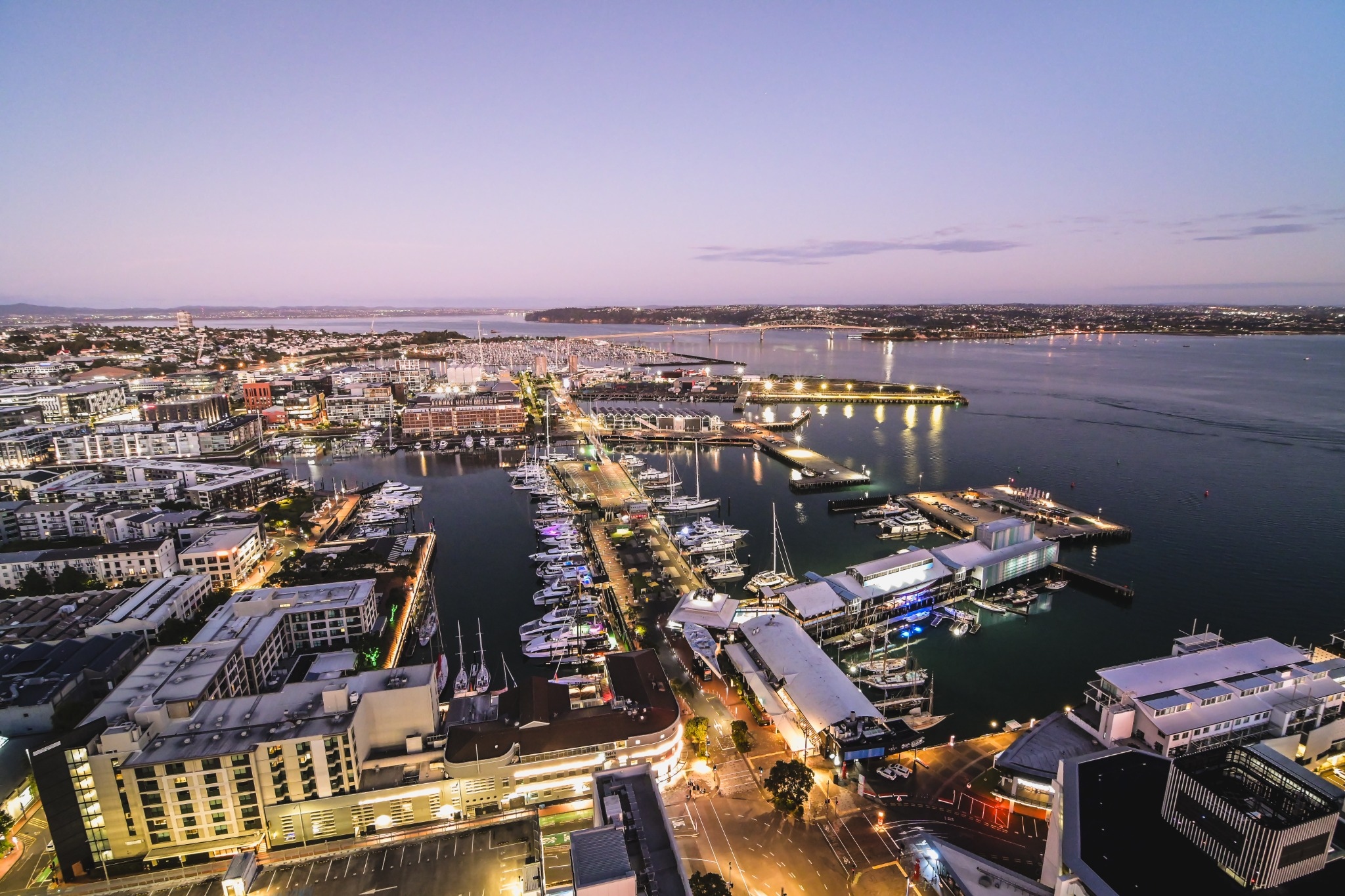
When construction teams think about site cameras, the conversation usually starts and ends with "how many can we afford?" But that's the wrong question.
The right question is: how many do you need for real visibility of your project?
We put that question to Sido Abusidou, Timescapes' Service Delivery Manager, who works with construction teams every day to figure out exactly that.
There's no single right answer but there is a right process
The number of cameras a site needs depends on several factors that Sido works through with every new customer.
"The first things I ask are: what's the site footprint, who needs to see the images and how often, what stage is the project at, and what's the budget range, not to anchor low, but to understand if they're thinking one camera or ten, and then have an honest conversation about coverage gaps."
That last point matters. A client or owner checking in weekly has different visibility needs from a principal contractor who wants daily oversight across multiple work zones.
What pushes the camera count up?
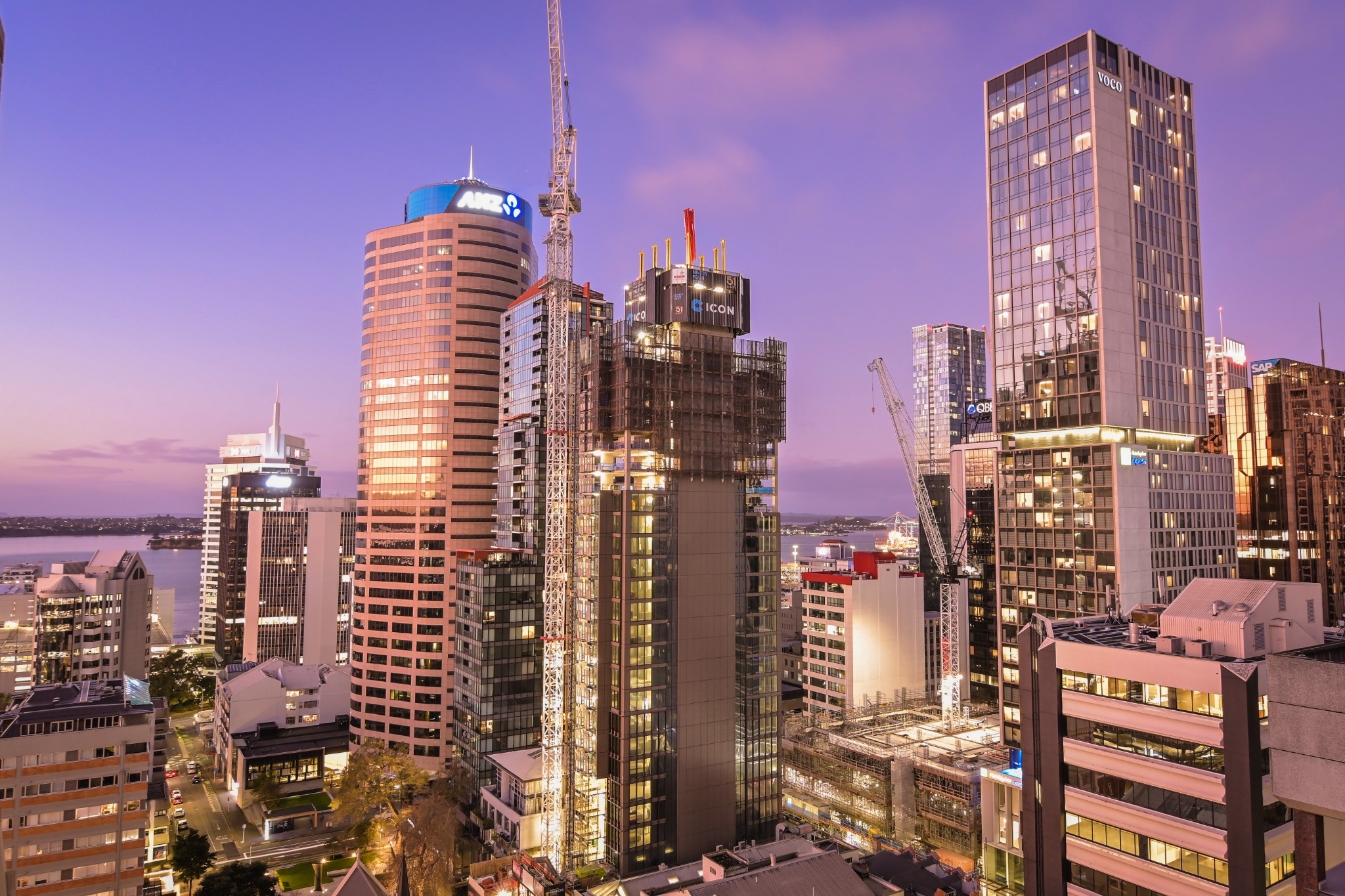
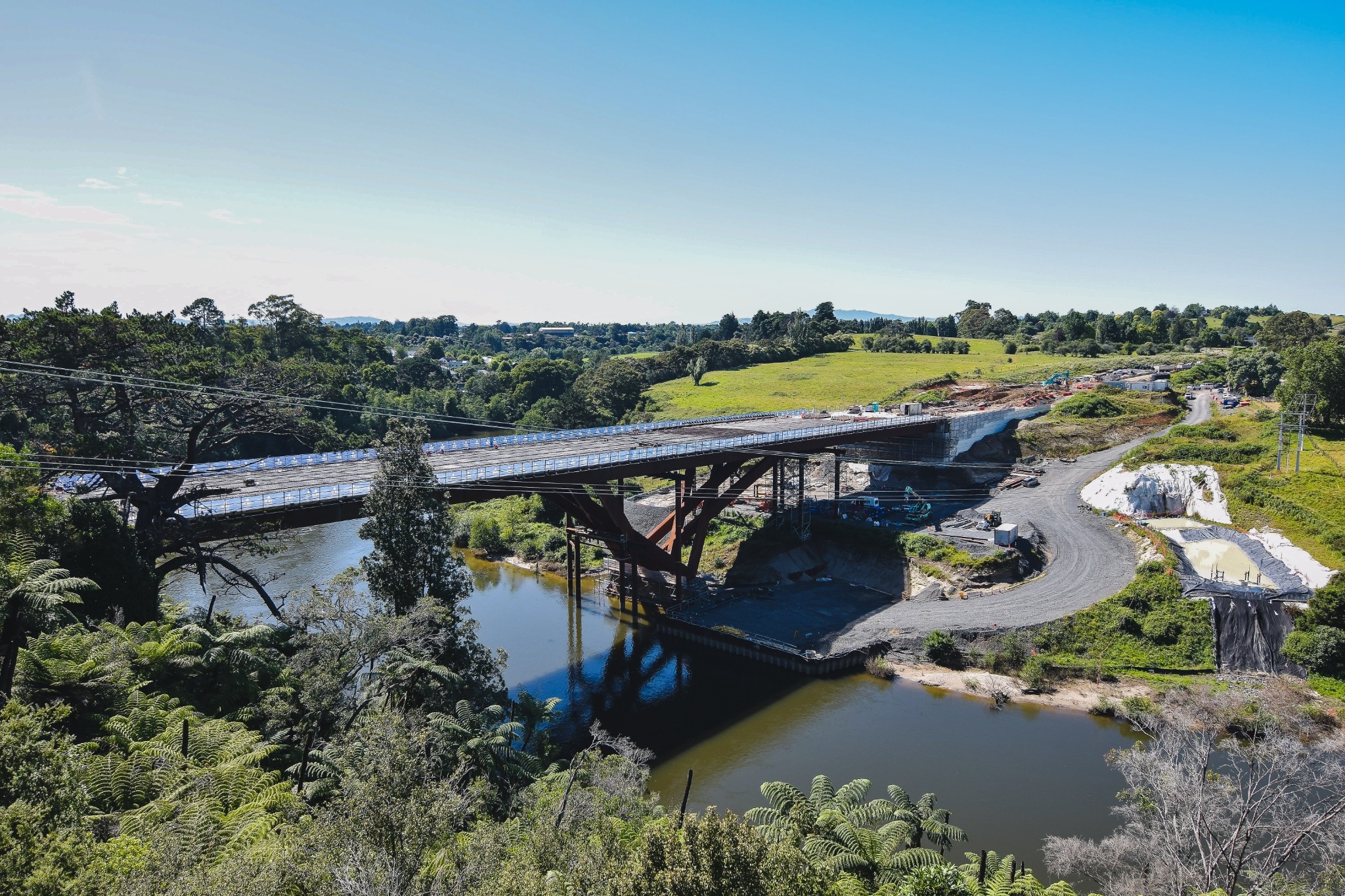
Site size is the obvious factor. Large or irregularly shaped sites with no single vantage point almost always need more than one camera to get useful coverage.
But size isn't the only thing that drives the number up. The stage of the build matters just as much.
"Camera positioning can often change across build stages. Groundworks need wide perimeter coverage, as the structure rises, you need elevation. Linear projects will often relocate cameras on key interface points or as progress moves along. "
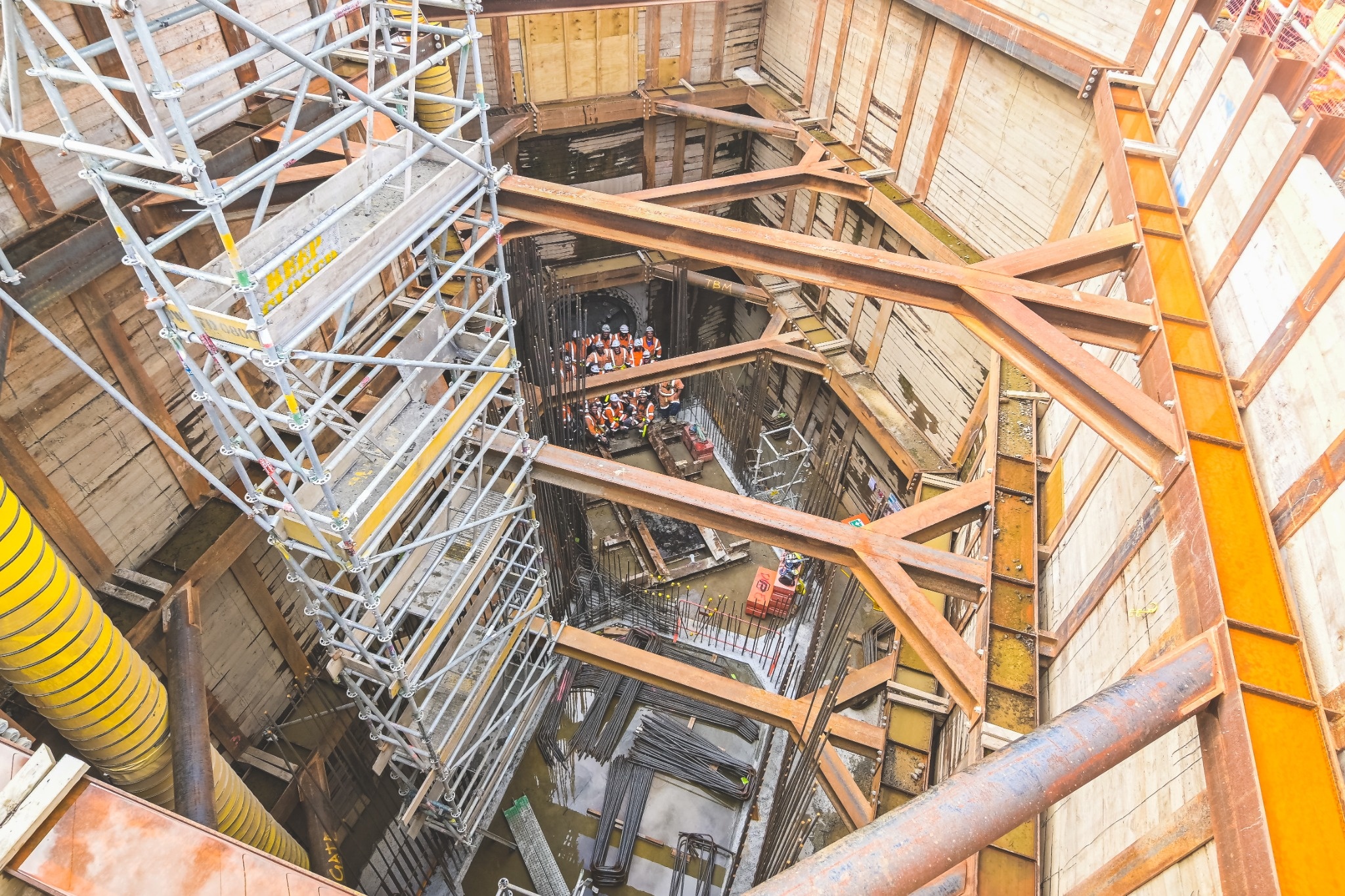
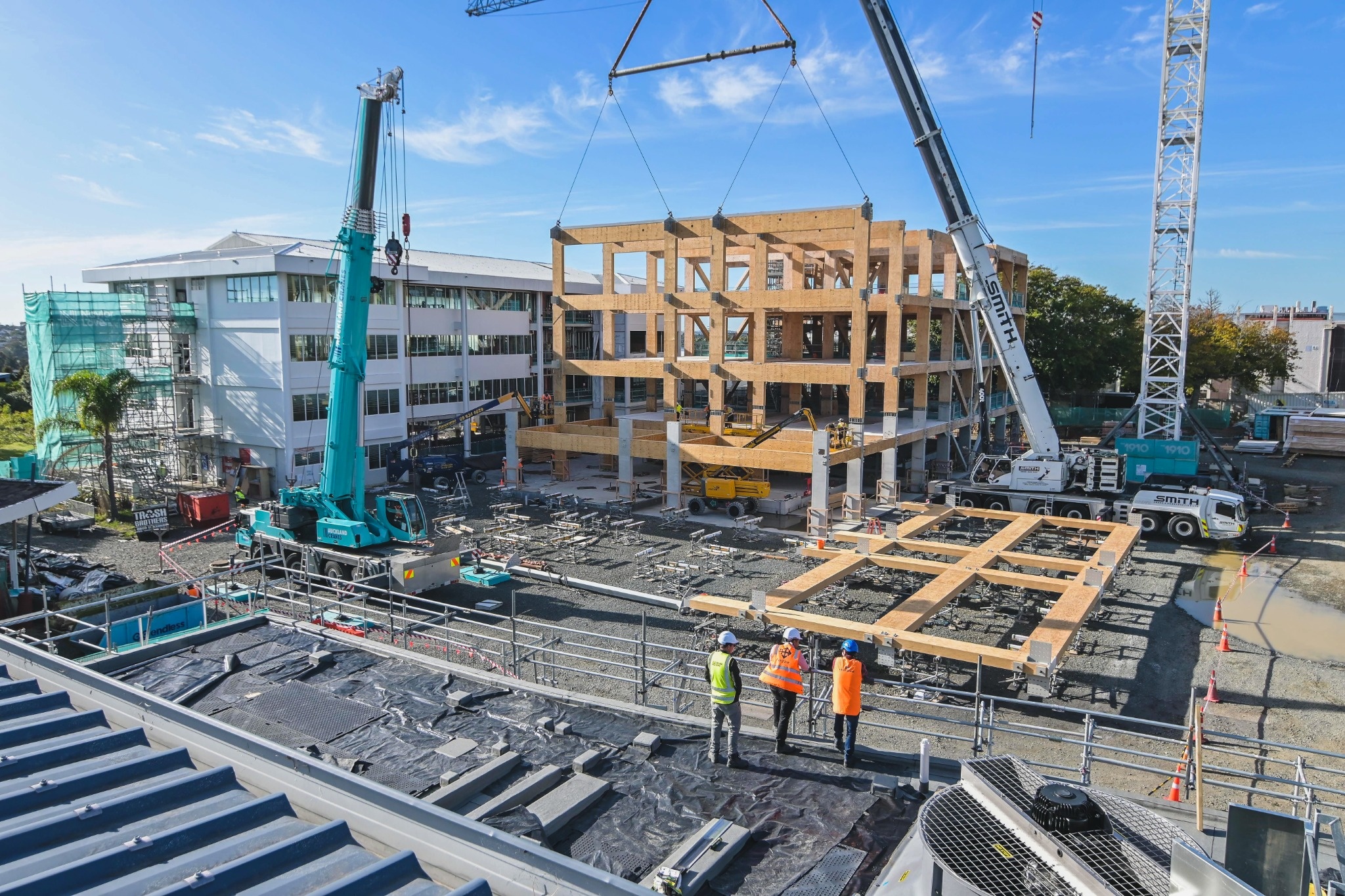
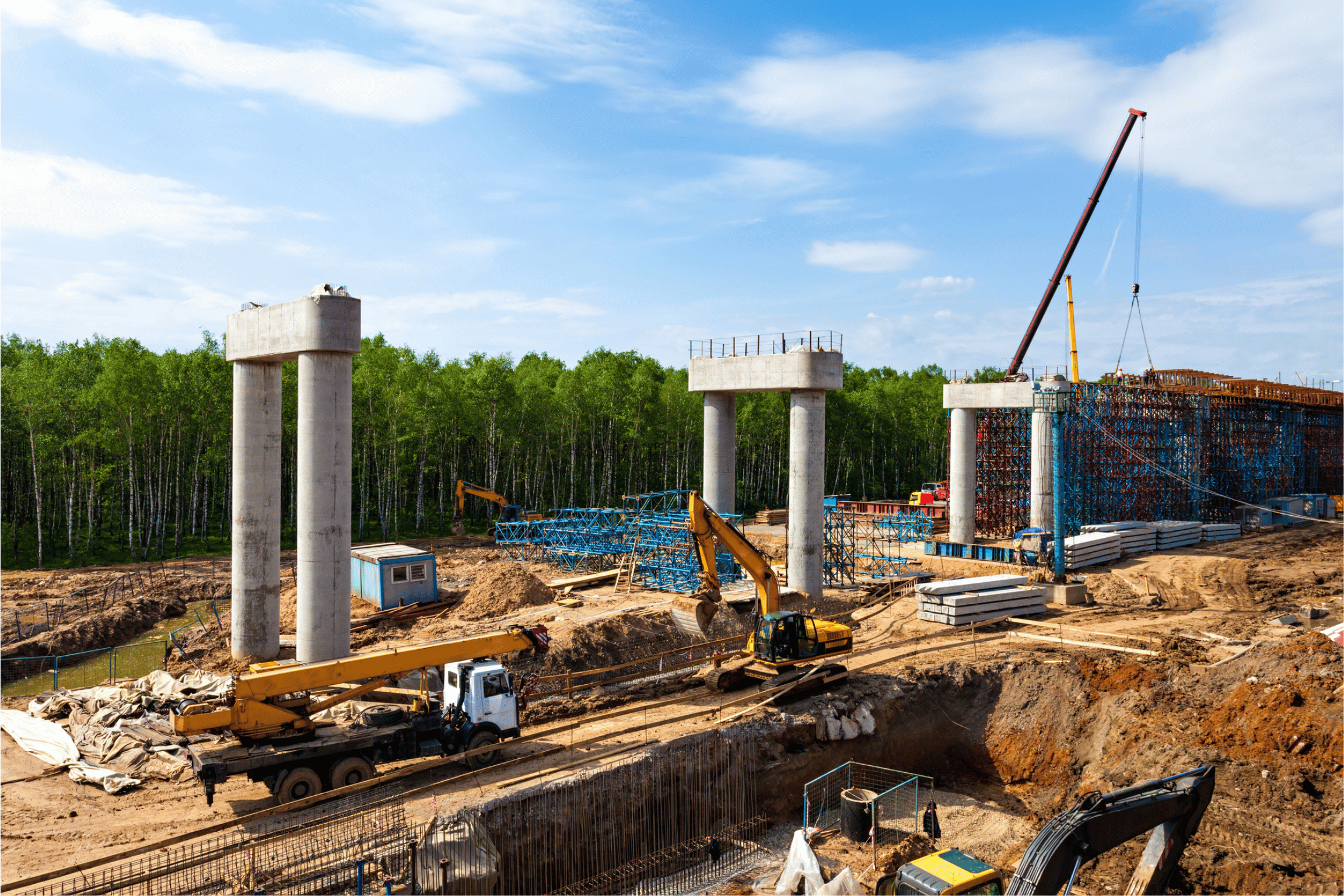
Camera count tends to increase around high-risk phases like bulk excavation and piling, where underground work can lead to unexpected delays and disputes, and during structural erection, where crane activity is hard to verify without a visual record.
What customers get wrong before talking to us
Most customers underestimate how much the build itself will affect their lines of sight.
"Scaffolding and structure block visibility as the build progresses in ways people don't anticipate when they're looking at a flat site plan. The other common mistake is focusing on coverage area on a map rather than actual visibility at camera level and not accounting for night coverage or lighting conditions."
This is one of the most important things Sido helps customers work through. What looks like full coverage on paper often isn't, once you account for the reality of an active site.
Coverage versus visibility: how to know the difference
Timescapes cameras have a 99-degree field of view and a viewing range of up to 400 metres, with a power zoom lens function for focusing on specific areas. That's a significant capability but only if the cameras are positioned correctly in the first place.
Flexibility is there but plan properly upfront
Timescapes cameras are solar and 4G, so customers can install and reposition them without any outside help. It still pays to get placement right upfront though, as Sido puts it: 'Knowing this tips the conversation toward getting it right at the start rather than patching later.
Customers are also frequently surprised by how fast installation is. Most expect a full-day ordeal, but it's often a couple of hours. And they can be viewing live footage on their phone the same day.
One extra camera versus the cost of not knowing
The ROI conversation is one Sido and the Timescapes team has often and it tends to land the same way every time.
"One camera typically costs a fraction of one day's project delay, one insurance excess, or one disputed claim. The reframe that lands best: 'What's the cost of not knowing what happened?'"
The checklist before you deploy
Before finalising your camera setup, it's worth asking:
- Does our coverage reflect the actual size and layout of the site, not just the footprint on a map?
- Have we accounted for how scaffolding and structure will change lines of sight as the build progresses?
- Are we positioned to capture the high-risk phases: crane activity, structural installs,excavation and piling?
- Do we have coverage of the blind spots: corners, internal circulation routes, areas below fixed mounts?
- Are we set up for night coverage and varying lighting conditions?
If any of those are uncertain, it's worth a conversation before cameras go up, not after.
Timescapes provides solar-powered, 4G-connected construction cameras that continuously capture high-resolution images for project visibility, progress validation and validating claims and delays. To talk through the right setup for your site book a demo with our team today.


.png)